


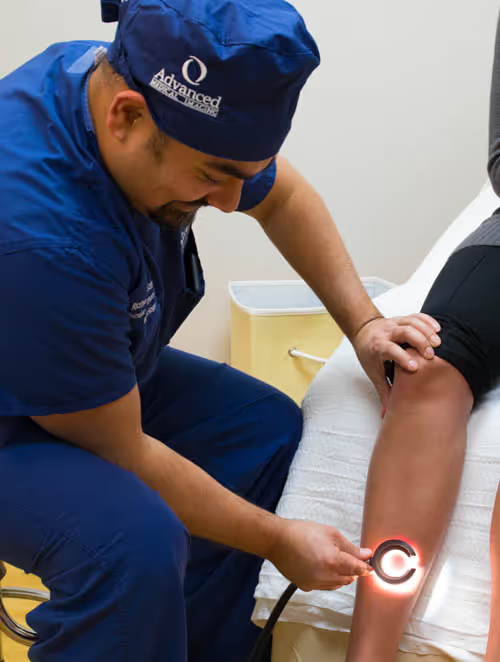
Chronic venous insufficiency symptoms can begin gradually. Your legs may feel tired or heavy after standing, your ankles may swell late in the day, or veins that were once barely noticeable may become easier to see. Other symptoms can include aching, cramping, itching, tingling, skin discoloration, and varicose veins.
Chronic venous insufficiency, or CVI, develops when the veins in the legs have difficulty moving blood back toward the heart efficiently. When that return flow is disrupted, pressure can build in the lower legs and contribute to swelling and other changes over time.
Not every case of leg pain or swelling is caused by venous insufficiency. Similar symptoms can occur with injuries, medications, lymphatic problems, blood clots, or conditions involving the heart or kidneys. Persistent symptoms deserve medical evaluation, while sudden one-sided swelling, redness, warmth, severe pain, chest pain, or shortness of breath requires prompt medical attention.
CVI doesn't always begin with dramatic symptoms. Early signs can be mild enough to attribute to a busy day, warm weather, or spending extended periods sitting or standing.
One common pattern is heaviness or fatigue in the legs that becomes more noticeable as the day progresses. Some patients describe aching, pressure, burning, restlessness, or tightness rather than sharp leg pain. Symptoms may be concentrated around the calves, ankles, or lower legs.
Leg swelling is another common concern. Fluid may collect around the ankles or feet, making shoes feel tighter or leaving deeper sock marks toward evening. Swelling may decrease overnight and then return after another day of activity.
Watch for symptoms such as:
Some people may have prominent varicose veins with relatively little discomfort. Others may experience aching or swelling before surface veins become obvious. That is why appearance alone can't determine whether chronic venous disease is present.
Symptoms may also change gradually. A person who initially notices only tired legs may later develop ankle swelling, skin irritation, or more visible veins. Paying attention to that progression can help your healthcare provider decide whether further clinical evaluation is warranted.
Healthy leg veins have an important job. They must carry blood from your legs back toward your heart while working against gravity. Small one-way vein valves help that process by opening as blood moves upward and closing to help prevent it from falling backward.
When vein valves weaken or stop closing effectively, blood can flow backward and collect within the vein. This backward movement is called venous reflux. As blood pools, pressure within the venous system can increase, creating venous hypertension.
Over time, that pressure may stretch vein walls and contribute to visible varicose veins, swelling, heaviness, itching, and aching. Longstanding pooling, sometimes described as venous stasis, can also affect the skin and underlying tissue.
Factors that may be associated with chronic venous insufficiency include family history, aging, pregnancy, previous blood clots, and spending long periods sitting or standing.
Varicose veins are enlarged or twisting veins that often appear near the skin. Spider veins are smaller visible vessels. Either may occur without serious symptoms, but visible veins combined with persistent swelling, discomfort, or skin changes can be a reason to discuss vascular health with a medical provider.
CVI is sometimes casually described as “poor circulation,” but that phrase can refer to several different conditions. Problems involving arteries, veins, the lymphatic system, or other health conditions can produce overlapping symptoms. A medical assessment is therefore preferable to diagnosing the cause based only on appearance or discomfort.
Persistent venous insufficiency can affect the legs in different ways over time. Symptoms don't necessarily progress at the same rate for every patient, but increasing pressure within the veins may eventually affect both comfort and the surrounding skin.
Aching or heaviness can become more frequent. Swelling may become easier to notice and may take longer to resolve. Skin around the ankle can become dry, irritated, firm, or darker in color. Brownish discoloration may develop when venous problems have been present for a longer period.
More advanced changes can involve slow-healing sores or other changes in the tissue around the lower leg. Those findings warrant medical attention rather than prolonged self-treatment.
Sudden symptoms should be treated differently from slowly developing chronic venous changes. New swelling in one leg, especially with warmth, redness, or significant pain, can have causes other than CVI and should be assessed promptly.
Chest pain, shortness of breath, fainting, coughing blood, or a rapid heartbeat together with new leg symptoms may signal a medical emergency. Seek emergency care rather than waiting for an outpatient vein evaluation.
A healthcare provider will usually begin by reviewing your symptoms and medical history. The pattern can provide useful information, including whether symptoms affect one leg or both, worsen after standing, improve with elevation, or occur with visible vein and skin changes.
When imaging is appropriate, vascular ultrasound may be used to evaluate the leg veins. Ultrasound can assess blood flow and valve function and may help identify venous reflux or other vein concerns.
At AMI in Lincoln, vascular and interventional radiologists provide image-guided services for vascular conditions, with sclerotherapy and EndoVenous Laser Treatment among the procedures they perform.
Treatment depends on the source and severity of the symptoms. Some patients may begin with conservative management. Others may be candidates for a minimally invasive procedure after an evaluation identifies the veins contributing to the problem.
Management may involve:
Compression therapy can help support circulation and may reduce swelling or discomfort for some patients. It should be selected based on individual medical needs rather than assuming the same compression level or product is appropriate for everyone.
AMI's sclerotherapy service begins with a vein consultation, during which both legs are examined with ultrasound. The practice uses sclerotherapy for selected spider and varicose veins and may combine approaches when deeper vein problems are present.
Interventional radiology procedures use imaging to guide treatment and are designed to address certain conditions with less invasive techniques than traditional open surgery. AMI's vascular services include EndoVenous Laser Treatment, sclerotherapy, and angioplasty or stent placement for appropriate conditions.
Chronic venous insufficiency develops when the veins in the legs have difficulty returning blood efficiently toward the heart. Weak or poorly functioning vein valves can allow blood to move backward and pool in the lower legs, contributing to venous reflux and increased pressure within the veins. Prior blood clots can also contribute to venous problems.
Symptoms may become more noticeable after extended periods of sitting or standing. When blood collects in the lower legs, patients may notice increased swelling, aching [link to: “why do my legs ache at night”], heaviness, or fatigue later in the day. These symptoms may improve with rest or leg elevation before returning with daily activity.
Some people with CVI also report tingling, burning, itching, tightness, aching, or restlessness in the legs. Because these sensations can also occur with nerve problems and other conditions, persistent or changing symptoms should be discussed with a healthcare provider rather than assumed to be caused by venous insufficiency alone.
Treatment focuses on managing venous pressure, improving symptoms, and addressing affected veins when appropriate. The right approach depends on the cause and severity of the problem, the veins involved, and the patient's overall health. Conservative measures may be appropriate for some patients, while others may need further vascular evaluation or treatment.
CVI is a chronic vascular condition that can progress over time and lead to increasing swelling or changes in the skin and underlying tissue. Sudden one-sided swelling, redness, warmth, severe pain, chest pain, or shortness of breath shouldn't be assumed to be part of chronic venous disease and requires prompt medical evaluation.
Recurring leg swelling, aching, heaviness, visible varicose veins, or ankle skin changes shouldn't automatically be dismissed as the result of aging or spending too much time on your feet. A healthcare provider can evaluate the pattern, rule out other possible causes, and determine whether vascular imaging is appropriate.
Advanced Medical Imaging provides diagnostic imaging and interventional radiology services in Lincoln, Nebraska. AMI's vascular and interventional radiologists perform image-guided treatments for vascular disease, including services for spider veins and varicose veins.
If your symptoms are persistent or becoming more noticeable, contact your healthcare provider or AMI to discuss the appropriate next step. A clinical evaluation and, when indicated, venous imaging can provide clearer information about blood flow, vein valve function, and whether treatment should be considered.
Seek prompt medical care for sudden one-sided leg swelling, warmth, redness, or significant pain. Chest pain, shortness of breath, fainting, or coughing blood requires emergency evaluation.
.png)


