


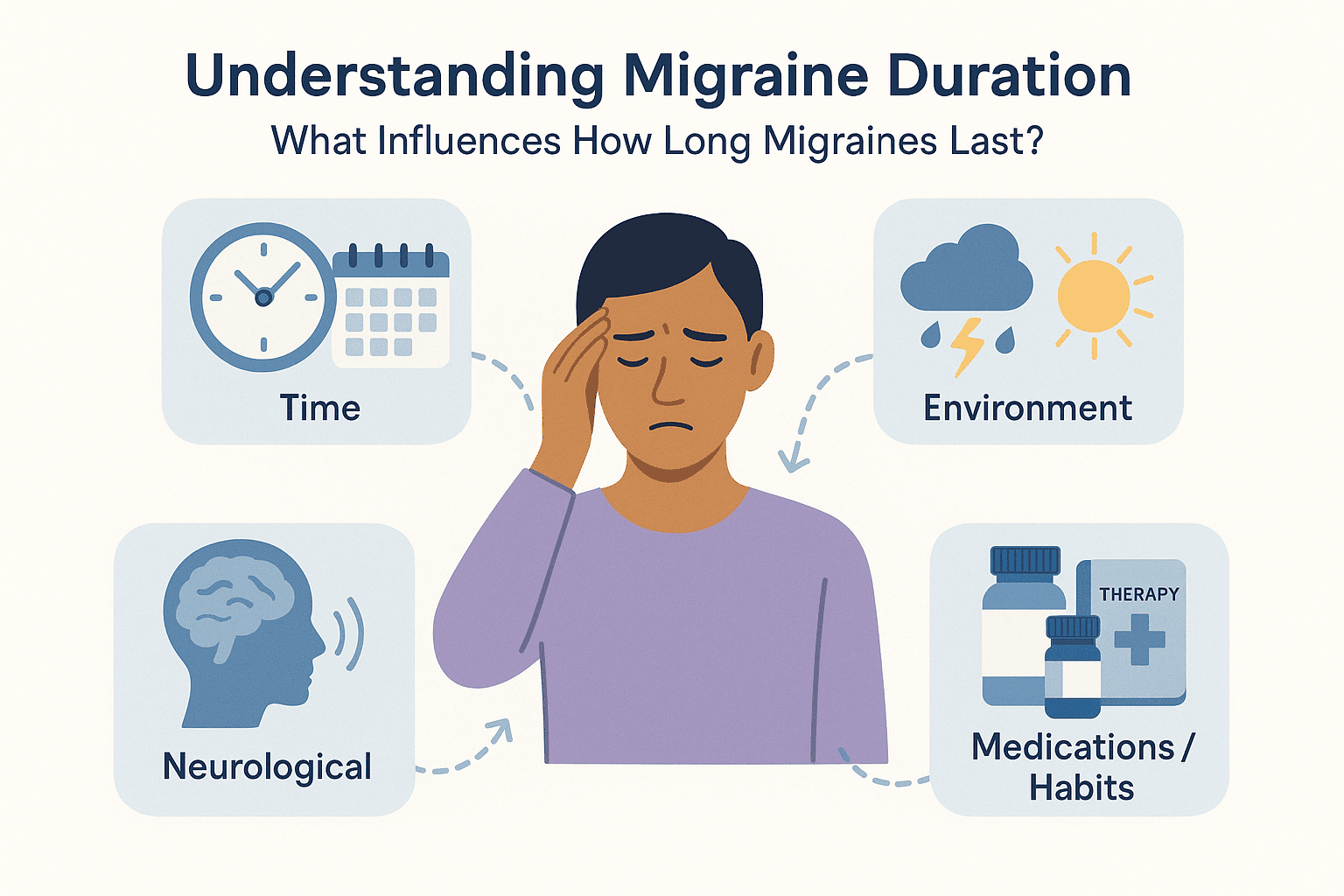
Migraine pain can make a few hours feel much longer, especially when symptoms interrupt work, sleep, driving, family plans, or daily routines. Many people want to know what is typical, what is not, and when a longer headache should be checked by a medical professional.
How long do migraines last? A migraine attack can last from four hours to three days during the main headache phase. The full experience may last longer when early warning signs and recovery symptoms are included. Some people feel changes a day or two before head pain begins, then feel tired or foggy after the pain fades.
Understanding the timing of a migraine episode can help you recognize patterns, plan treatment, and know when to ask for help. At Advanced Medical Imaging in Lincoln, Nebraska, patients receive support from board-certified and subspecialized radiologists who work with referring providers to evaluate symptoms, rule out other conditions, and guide next steps when imaging is recommended.
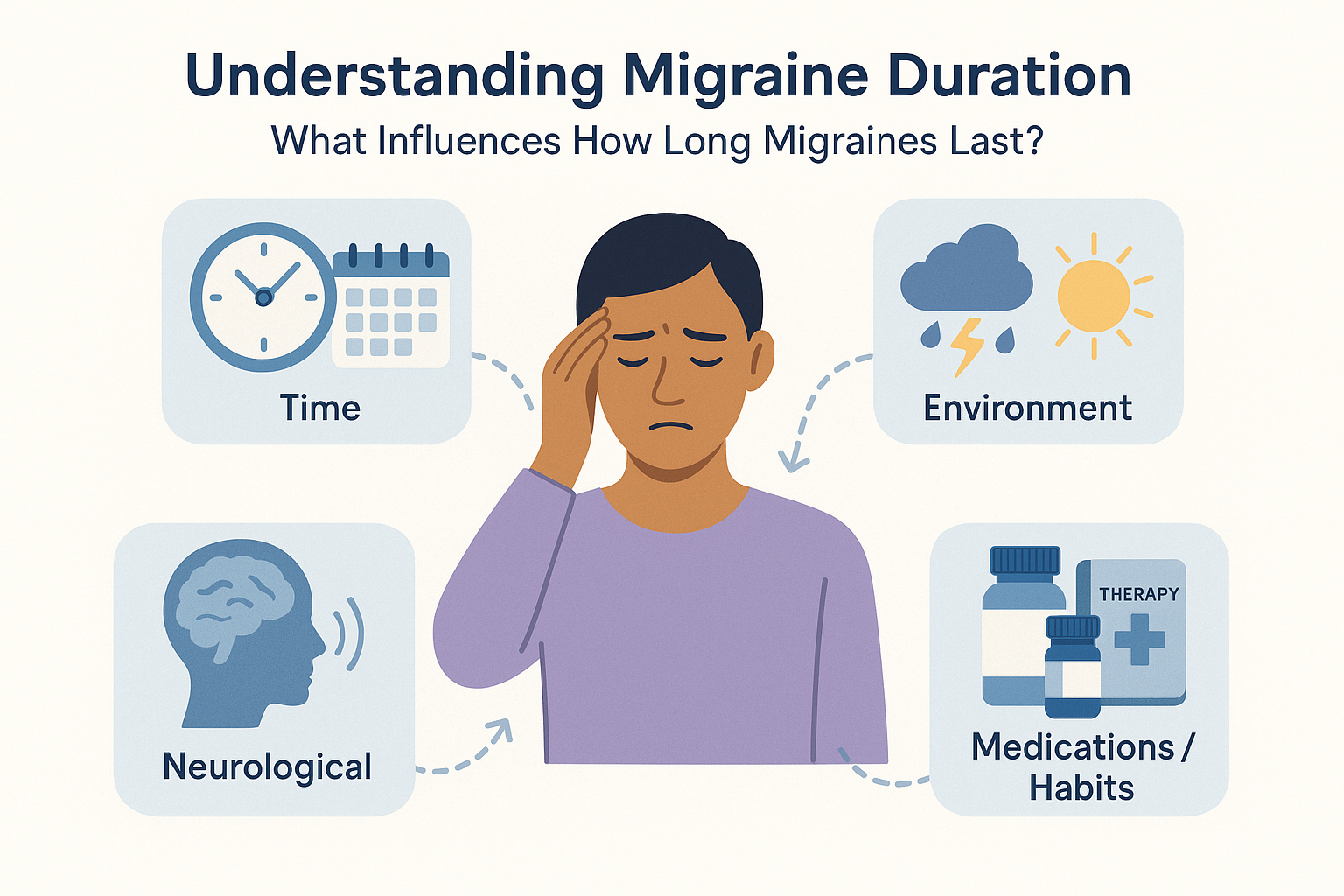
Migraine timing is different for each person. One patient may have pain for a few hours and recover quickly. Another may have a longer attack with nausea, light sensitivity, and fatigue that disrupts several days.
Several factors may influence how long an attack lasts. These include sleep quality, stress levels, hydration, hormone changes, food patterns, caffeine intake, medication timing, and overall health. A person who treats symptoms early may have a shorter attack than someone who waits until pain becomes severe.
The type of migraine also matters. Episodic migraines occur on fewer headache days per month, giving the body more recovery time between attacks. Chronic migraines involve frequent headache days and can feel harder to separate into clear start and stop points. When symptoms happen often, patients may need a broader care plan that includes prevention, medications, lifestyle changes, imaging when needed, and follow-up with the right clinical team.
Migraine can also vary within the same person. A mild attack one month may last a few hours, while a later attack may last two days. Tracking symptoms over time can help reveal what shortens or lengthens each episode.
Migraine often moves through several stages. Not everyone has every stage, and the timing can shift. Still, knowing the common pattern can help you act sooner and describe symptoms more clearly to your healthcare provider.
The prodromal stage may begin hours or even a day or two before pain. Symptoms can include fatigue, mood changes, food cravings, neck stiffness, yawning, or trouble concentrating. These early changes may be easy to overlook, but they can be useful warning signs.
Some people then enter the aura stage. Aura may include flashing lights, blind spots, zigzag lines, tingling, numbness, or speech difficulty. Aura symptoms are usually temporary, but they can feel alarming, especially when they are new.
The attack stage is the period most people associate with migraine. This is when pain, nausea, and sensitivity to light or sound often peak. Pain may throb, pulse, or affect one side of the head, although patterns vary.
The postdrome stage comes after the worst pain improves. Some people call it a migraine hangover. It may involve fatigue, mild head discomfort, mood changes, dizziness, or mental fog.
Learning your own migraine stages can improve communication with your provider. It may also help you time treatment earlier, when medication or other relief steps may work better.
Migraine symptoms often begin before head pain. Paying attention to early changes can help you respond before the attack becomes harder to manage.
Common early symptoms include neck tightness, irritability, tiredness, yawning, food cravings, sensitivity to light, or trouble focusing. Some people notice changes in smell, appetite, or mood. These signs may not seem connected at first, but they can form a pattern over time.
During the headache phase, symptoms may become stronger. Pain can be moderate to severe. Nausea, vomiting, dizziness, and sensitivity to sound or light can make daily tasks difficult. Many people need a quiet, dark room until symptoms improve.
Aura symptoms deserve close attention. If aura is typical for you and has been evaluated before, your provider may have already given you a plan. If aura is new, sudden, prolonged, or paired with weakness, confusion, fainting, or vision loss, seek medical care right away.
The end of an attack is not always the moment pain stops. Many patients still feel drained or mentally slow afterward. Recovery symptoms may last several hours or into the next day. Rest, hydration, and a gradual return to activity can support recovery.
Track these details after each migraine attack:
A simple symptom record can help your provider adjust treatment, discuss prevention, and decide whether imaging or another evaluation is appropriate.
Many migraines follow a familiar pattern and improve with a care plan. A longer or unusual headache shouldn't be ignored, especially when the symptoms feel different from your normal attacks.
Seek prompt medical care for a sudden, severe headache or a headache that comes with weakness, confusion, fainting, fever, stiff neck, seizure, vision loss, or trouble speaking. These symptoms can be linked to conditions that need urgent evaluation.
You should also contact your provider if your headache lasts longer than usual, changes in pattern, becomes more frequent, or stops responding to treatment. A migraine that lasts several days can raise concern for dehydration, medication overuse, or another condition that needs medical guidance.
Patients in Lincoln may be referred to AMI for diagnostic imaging when a provider wants more information. MRI or CT may help evaluate symptoms that are new, severe, unusual, or persistent. Imaging doesn't treat migraine directly, but it can help rule out other causes of headache symptoms and support a safer care plan.
Medical imaging may be considered when:
AMI offers diagnostic imaging in a patient-focused outpatient setting. With advanced technology, flexible scheduling, and subspecialized radiology interpretation, the team helps referring providers get the information needed to guide care.
When migraine attacks keep returning or last longer than expected, a broader care conversation may be needed. AMI supports patients and referring providers with diagnostic imaging, interventional radiology, and pain management services in one Lincoln location. This team-based approach can help providers better understand whether headache symptoms follow a typical migraine pattern or need further evaluation.
For some patients, care may include MRI or CT imaging to rule out other causes of headache pain. For others, treatment may involve interventional options such as SphenoCath SPG block, a needle-free procedure that applies medication through the nasal passages to help relieve migraine or chronic headache pain.
AMI is the nation’s only Certified Training Center of Excellence for SphenoCath migraine treatment. If migraine attacks are affecting your daily life, your provider can help decide whether imaging, pain management, or referral to AMI is appropriate.
Treatment depends on the type of migraine, symptom timing, medical history, and how often attacks occur. Some people only need acute medications for occasional attacks. Others need preventive care to reduce the number of migraine days each month.
Acute treatment is used when symptoms begin. It may include prescription medications, over-the-counter medicine recommended by a provider, nausea treatment, rest, hydration, and reduced light or sound exposure. Pain relief often works best when started early, before symptoms peak.
Prevention focuses on reducing attack frequency and severity. This may include sleep consistency, regular meals, hydration, stress management, exercise, and medication when appropriate. Some patients may be prescribed preventive medications or referred for specialized therapies.
AMI’s pain management and interventional radiology teams also offer SphenoCath SPG block treatment for migraine and chronic headache pain. This needle-free procedure delivers medication through the nasal passages to reach the sphenopalatine ganglion, a group of nerves involved in many headache disorders. Not every patient is a candidate, but it may be an option for some people with chronic headache, facial pain, cluster headache, ocular migraine, or trigeminal neuralgia.
Patients should work with a healthcare provider before changing medications or starting new treatment. Medication overuse can make headaches worse in some cases, so clear guidance matters.
A good care plan may include tracking symptoms, using medication safely, identifying triggers, discussing prevention, and completing imaging when your provider recommends it.
Migraine timing can feel unpredictable, but you don't have to manage the uncertainty alone. Knowing the stages, recording symptoms, and asking for care when symptoms change can help you move forward with more confidence.
AMI supports patients and referring providers with advanced diagnostic imaging, skilled radiology interpretation, and interventional options for headache-related care. The team is known for treating patients like family while offering the technology and experience needed to evaluate complex symptoms.
If your migraines are lasting longer, happening more often, or affecting your ability to work, sleep, drive, or care for your family, talk with your healthcare provider. Ask whether imaging, a treatment review, or a referral to AMI could help clarify your next step.
To request an appointment with Advanced Medical Imaging in Lincoln, call or use the online appointment request form. Clear answers, supportive care, and personalized next steps can make migraine management feel less overwhelming.
.png)


